Melting Point
Definition and meaning of Melting Point in chemistry.
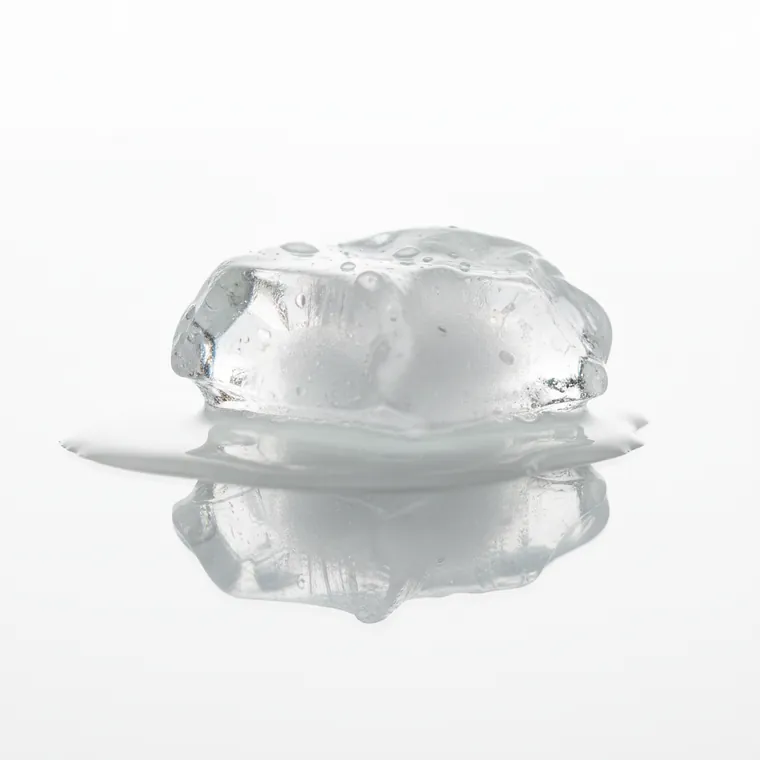
The melting point is the exact thermodynamic temperature at which a solid substance transitions into a liquid. This phase change occurs when the solid and liquid states exist in perfect chemical equilibrium. The specific melting temperature depends heavily on the external atmospheric pressure surrounding the chemical substance.
In more detail
When you heat a solid chemical, the added thermal energy makes its constituent molecules vibrate faster. Once the temperature reaches the melting point, this thermal energy breaks the rigid crystal lattice structure. During this exact transition, the solid and liquid phases of the substance exist in thermodynamic equilibrium.
Applying more thermal energy to this system will simply melt more of the remaining solid material. The overall temperature will not rise again until the entire solid portion has completely melted away. The melting point represents a fundamental physical property of any pure chemical element or compound.
Chemists frequently utilize this specific property in analytical laboratories to quickly identify unknown chemical compounds. They also use a specialized melting point apparatus to accurately assess the chemical purity of synthesized samples. A perfectly pure chemical substance will always melt sharply at one very specific and predictable temperature.
However, the presence of chemical impurities typically lowers the melting point below the expected theoretical value. Impurities will also broaden the temperature range over which the physical melting process actually occurs. Students often forget that melting requires a constant input of energy called the heat of fusion. Without this continuous energy input, the melting process will immediately stop despite reaching the correct temperature.
Key facts
| Field | Physical Chemistry |
|---|---|
| Phase Transition | Solid to liquid |
| Equilibrium states | Solid and liquid phases |
| Required energy | Heat of fusion |
| Effect of impurities | Lowers and broadens the melting range |
| Standard pressure condition | Typically measured at 1 atm |
The normal melting point of pure crystalline water ice is exactly 0 degrees Celsius. This specific temperature value assumes a standard atmospheric pressure of exactly one atmosphere. If you add chemical impurities like road salt, the melting point drops significantly below 0 degrees.
Frequently asked questions
Why does the temperature stop rising while a solid melts?
The added thermal energy goes entirely toward breaking the chemical bonds in the solid lattice instead of raising the temperature.
How do impurities affect the melting point of a solid?
Chemical impurities disrupt the ordered crystal structure, which both lowers the melting temperature and broadens the melting range.
Does changing the atmospheric pressure change the melting point?
Yes, increasing the external pressure typically raises the melting point slightly for most substances, though water is a rare exception.